For Complex Medical Conditions: Veterinary Internal Medicine Specialist in Salt Lake City, UT
When your pet has abnormal lab results or symptoms that keep returning, you need answers that go beyond a routine visit. Our veterinary internal medicine specialist in Salt Lake City, UT evaluates complex medical conditions in dogs and cats using advanced diagnostics, minimally invasive tools, and a careful, case-by-case approach.
Internal medicine focuses on the diagnosis and treatment of diseases affecting your pet’s internal systems. These cases can feel frustrating because pets may have vague symptoms, overlapping conditions, or problems that require advanced testing to identify.
If your primary veterinarian has recommended a referral, or your pet has symptoms that have not improved with initial care, WAG is here to help you find clearer direction.
When Should My Pet See an Internal Medicine Specialist?
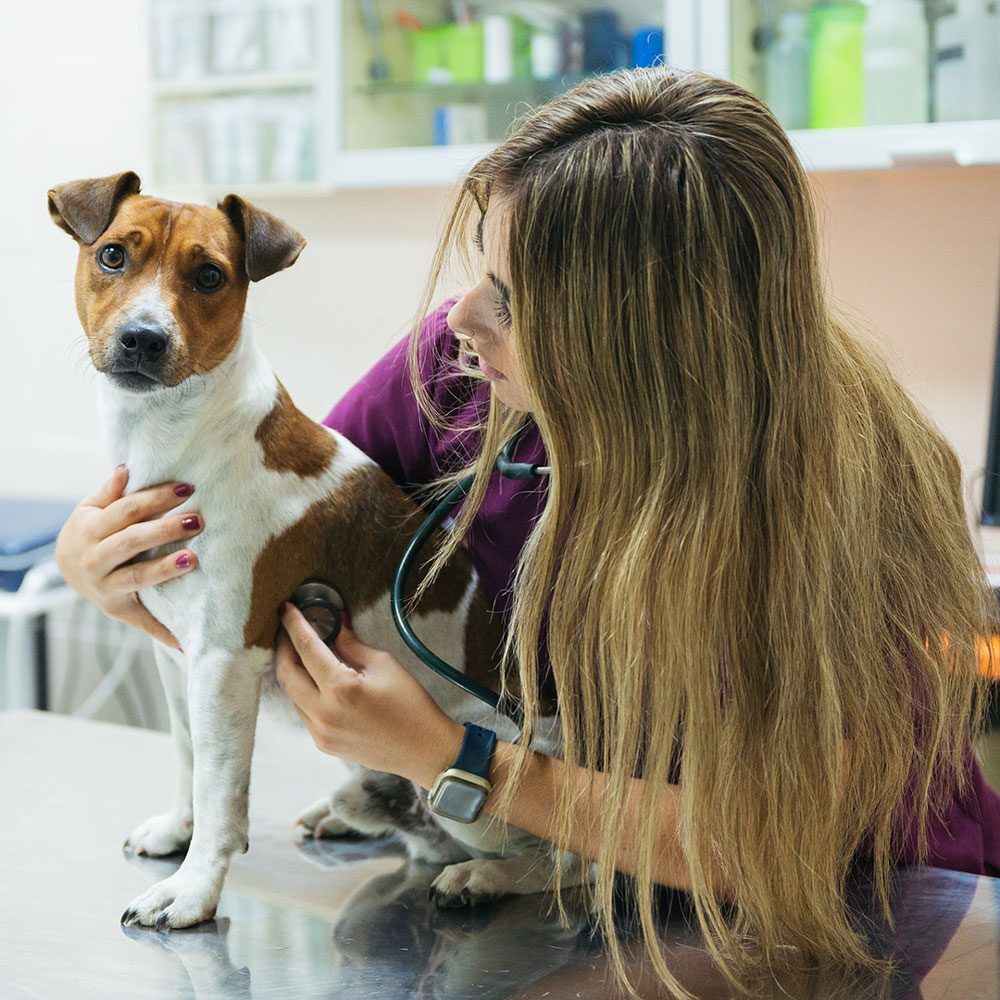
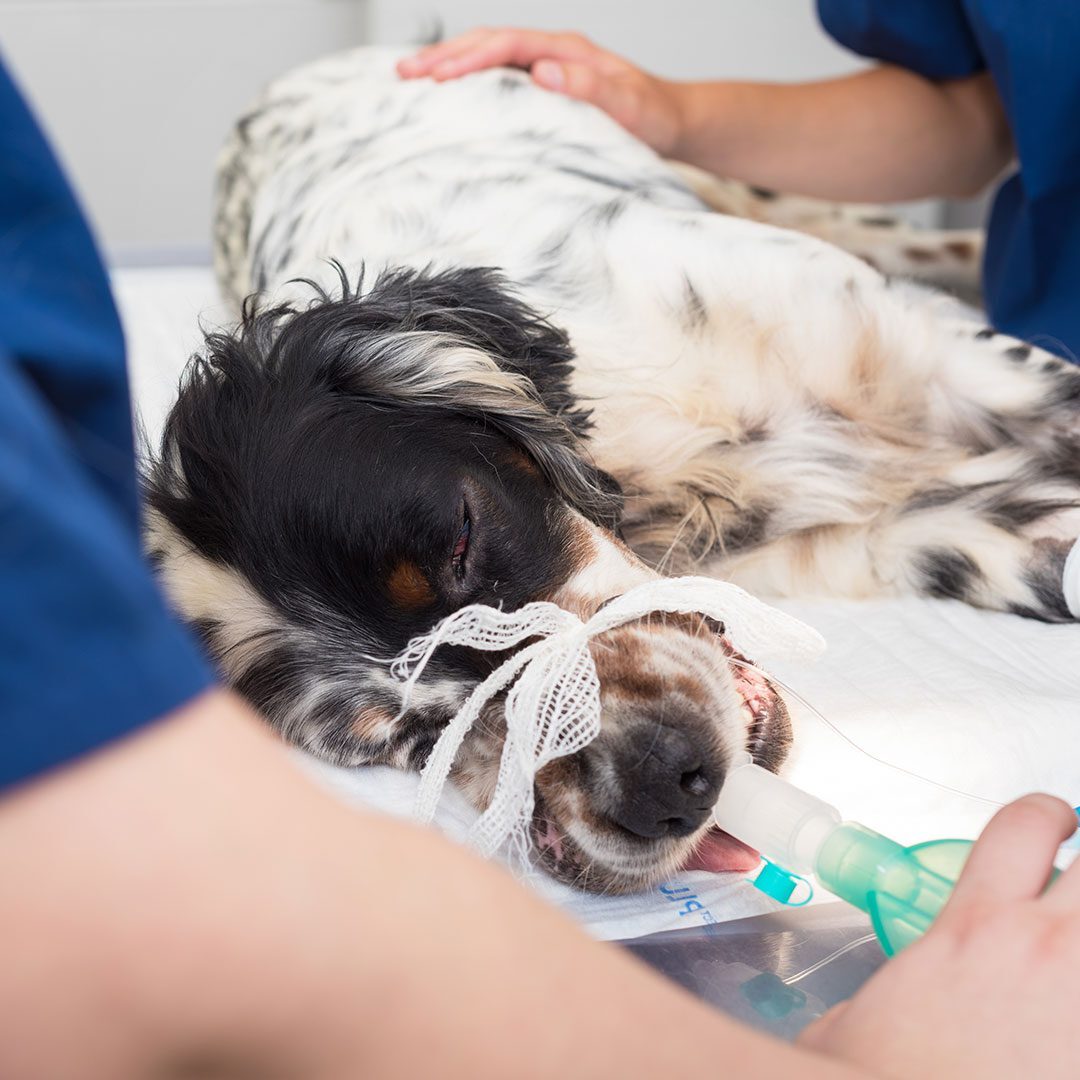
Your dog or cat may benefit from an internal medicine referral when symptoms continue despite initial treatment or when your primary veterinarian needs advanced support. Internal medicine is also helpful when a diagnosis requires specialized equipment, image-guided sampling, or minimally invasive evaluation.
You may want to schedule an internal medicine consultation if your pet has:
-
Vomiting or diarrhea that keeps coming back
-
Ongoing weight loss
-
Chronic coughing or noisy breathing
-
Trouble swallowing or suspected airway disease
-
Repeated urinary issues
-
Difficulty urinating or suspected urinary stones
-
Abnormal liver or kidney values
-
Fluid in the abdomen or chest
-
Persistent fever
-
Suspected foreign body ingestion
-
A condition that may need endoscopy, cystoscopy, bronchoscopy, or biopsy
Some cases are urgent. If your pet cannot urinate, has severe breathing trouble, collapses, vomits repeatedly, or seems suddenly weak, emergency care may be needed before an internal medicine consultation.
What Internal Medicine Services Does WAG Offer?
When paired with our interventional radiology and imaging departments, we’re able to offer a wide range of internal medicine services to help your pet experience a better quality of life.
Gastrointestinal endoscopy uses a small camera to evaluate parts of the digestive tract, such as the esophagus, stomach, and upper intestines. It may be recommended for pets with chronic vomiting, diarrhea, suspected inflammation, swallowing problems, or certain foreign body concerns.
Some swallowed objects can be removed using endoscopy, depending on the object’s size, shape, location, and your pet’s stability. When appropriate, this may help a pet avoid more invasive abdominal surgery.
Bronchoscopy allows the internal medicine team to examine the airways with a small camera. It may help evaluate chronic coughing, airway collapse, inflammation, infection, bleeding, or breathing concerns.
Tracheal stenting may help select pets with severe airway collapse or narrowing that affects breathing and quality of life. This procedure requires advanced imaging, careful case selection, and ongoing follow-up.
Rhinoscopy allows the veterinarian to evaluate the nasal passages. It may be recommended for pets with chronic nasal discharge, sneezing, nosebleeds, noisy breathing, or suspected nasal disease.
Cystoscopy uses a small camera to examine the lower urinary tract. It may help assess urinary tract abnormalities, stones, masses, inflammation, or congenital concerns in appropriate patients.
Ectopic ureters are abnormal urinary connections that can cause urinary incontinence, especially in young dogs. Laser ablation may allow treatment through a minimally invasive approach in select cases.
Stents can help restore or maintain urine flow when the ureter or urethra is narrowed or obstructed. These cases often require advanced imaging and may overlap with interventional radiology, especially when image-guided placement is needed.
Laser lithotripsy breaks certain urinary stones into smaller fragments so they can be removed or passed more easily. This option may help some pets avoid more invasive surgery, depending on the stone type, location, and anatomy.
A subcutaneous ureteral bypass, or SUB, is an advanced procedure used to help urine bypass a blocked ureter and travel from the kidney to the bladder. This can be a life-saving option for select pets with ureteral obstruction, especially cats with ureteral stones or strictures. WAG is proud to offer this procedure, as we are one of very few specialty hospitals that perform SUBs in Utah and the surrounding states.
Ultrasound-guided biopsy allows the team to collect tissue or cell samples from certain organs or masses using imaging guidance. This can help diagnose cancer, inflammation, infection, or organ disease while avoiding exploratory surgery in some cases.
Fluoroscopy creates real-time moving X-ray images. It may be used for swallow studies, airway studies, and other dynamic evaluations that help the team see how a structure moves or functions, rather than viewing one still image.
Intrahepatic shunt embolization is an advanced procedure used to manage certain liver shunts located within the liver. These cases require specialized planning, imaging, and procedural experience. This service is especially valuable for pets who would otherwise need to travel out-of-state for advanced liver shunt care.
If your pet has been referred for internal medicine or needs help with a complex condition, contact WAG today.