What to Expect at WAG Veterinary Emergency & Specialty Hospital
Walking into an emergency or specialty veterinary hospital can feel overwhelming, especially when your pet is sick, injured, or waiting on answers. At WAG Veterinary Emergency & Specialty Hospital, our goal is to make the process feel clearer from the moment you reach out or arrive.
Our Salt Lake City animal hospital provides 24/7 emergency care, specialty referrals, advanced imaging, surgery, internal medicine, critical care, and interventional radiology for dogs and cats. WAG was built around transparency, open communication, and a more connected hospital experience, so you know what is happening, why we recommend certain steps, and what comes next for your pet.

If Your Pet Is Having an Emergency
If your pet is having trouble breathing, collapsing, bleeding heavily, unable to urinate, having seizures, or showing signs of severe pain or distress, please come in right away or call us at (801) 893-6886 for guidance.
Emergency cases can change quickly, and waiting may make some conditions harder to treat. When you arrive, our team will evaluate your pet and determine how urgently they need care.
What Happens During Your Visit
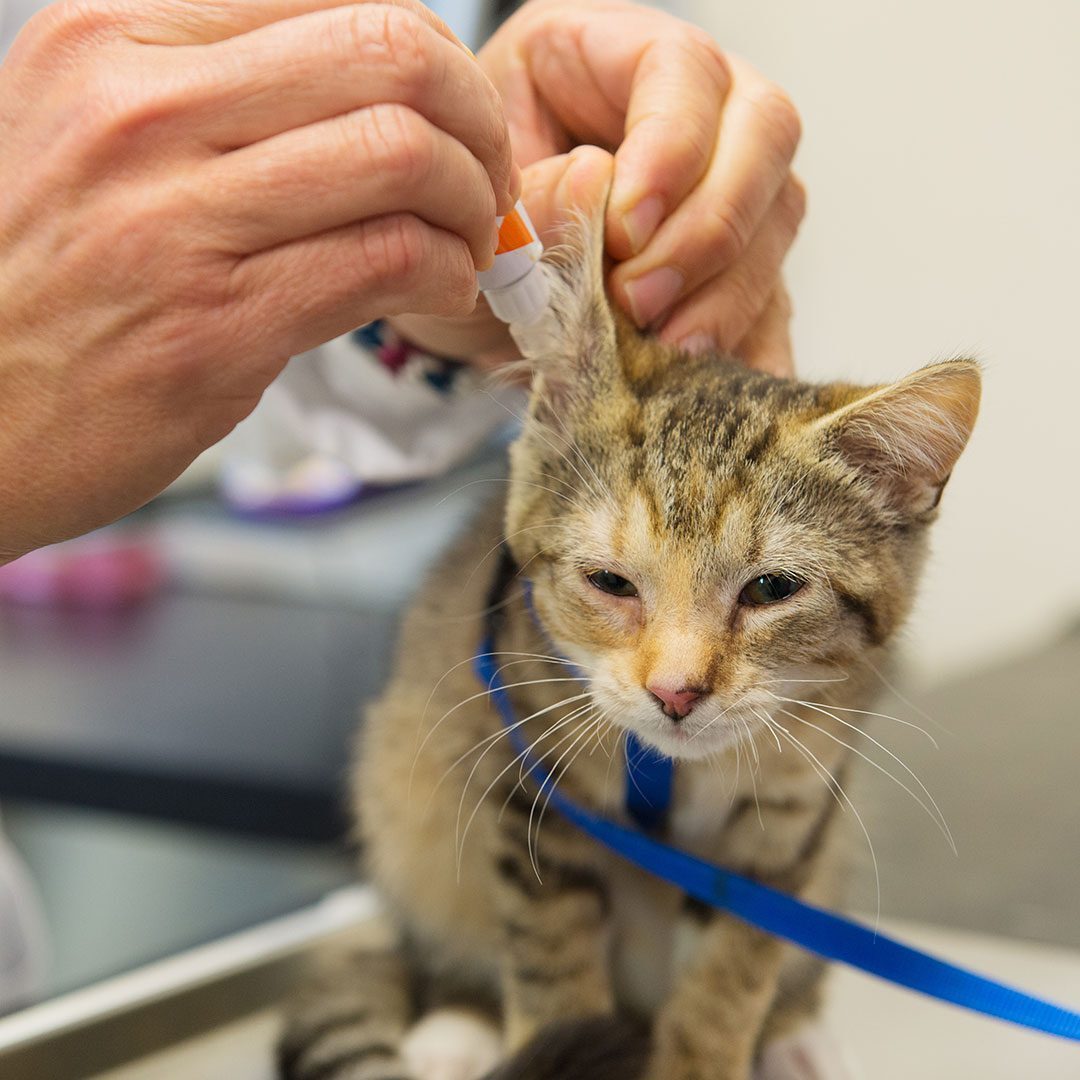
Your pet’s visit will begin with an assessment of their condition. If your pet is unstable, our team may begin treatment right away.
For stable pets, the visit may include:
-
Triage and initial assessment
We evaluate your pet’s comfort, breathing, circulation, pain level, and overall stability.
-
Doctor exam
A veterinarian reviews your pet’s symptoms, history, and exam findings.
-
Diagnostic recommendations
We may recommend labwork, X-rays, ultrasound, CT, MRI, endoscopy, or other testing depending on your pet’s needs.
-
Treatment plan and estimate
We explain findings, options, next steps, and costs before moving forward whenever possible.
-
Treatment, hospitalization, or referral care
Some pets go home after treatment. Others may need surgery, ICU care, specialty support, or continued monitoring.
Payment, Estimates, and Financing
Emergency and specialty care can involve difficult decisions, and we want you to have clear information before moving forward. Whenever the situation allows, we will review recommended care and provide an estimate before treatment begins.
WAG offers payment resources, including Cherry, CareCredit, Scratch Pay, and pet insurance documentation support. Financing approval and insurance reimbursement depend on the provider, plan, and eligibility.
For Referring Veterinarians
WAG welcomes emergency transfers and specialty referrals from veterinary teams throughout Salt Lake City and beyond. Referring hospitals can use our referral portal or guest referral form to submit case information.
Existing referral partners can log in through the portal for full functionality. New referring hospitals may use the guest referral form to submit a referral without logging in.