X-Rays, Ultrasound, Endoscopy, CT & MRI: Veterinary Diagnostic Imaging in Salt Lake City, UT
When your pet is sick, injured, painful, or showing symptoms that do not have an obvious cause, you want answers without unnecessary delays. Our veterinary diagnostic imaging services help our Salt Lake City, UT team look beneath the surface so we can better understand what is happening inside your pet’s body.
At WAG Veterinary Emergency & Specialty Hospital, we offer advanced imaging for dogs and cats through our emergency and specialty services. With X-rays, ultrasound, endoscopy, CT, and MRI available in one hospital, our team can evaluate a wide range of injuries, illnesses, and complex conditions.
If your pet needs urgent care or advanced imaging, contact WAG at (801) 893-6886 or come in for emergency evaluation.
Advanced Imaging Backed By Expertise
Diagnostic imaging is more than taking a picture. It takes the right technology, experienced interpretation, and a medical team that knows how to connect the findings to your pet’s symptoms, history, and treatment options.
WAG was built to give Salt Lake City pets access to advanced emergency and specialty care in a more open, connected environment. Our imaging capabilities support urgent cases, specialty referrals, surgical planning, internal medicine workups, neurologic concerns, and critical care patients.
What Veterinary Imaging Services Do We Offer?
WAG offers several imaging services for dogs and cats, allowing our team to choose the most useful option based on your pet’s symptoms, stability, and medical needs.
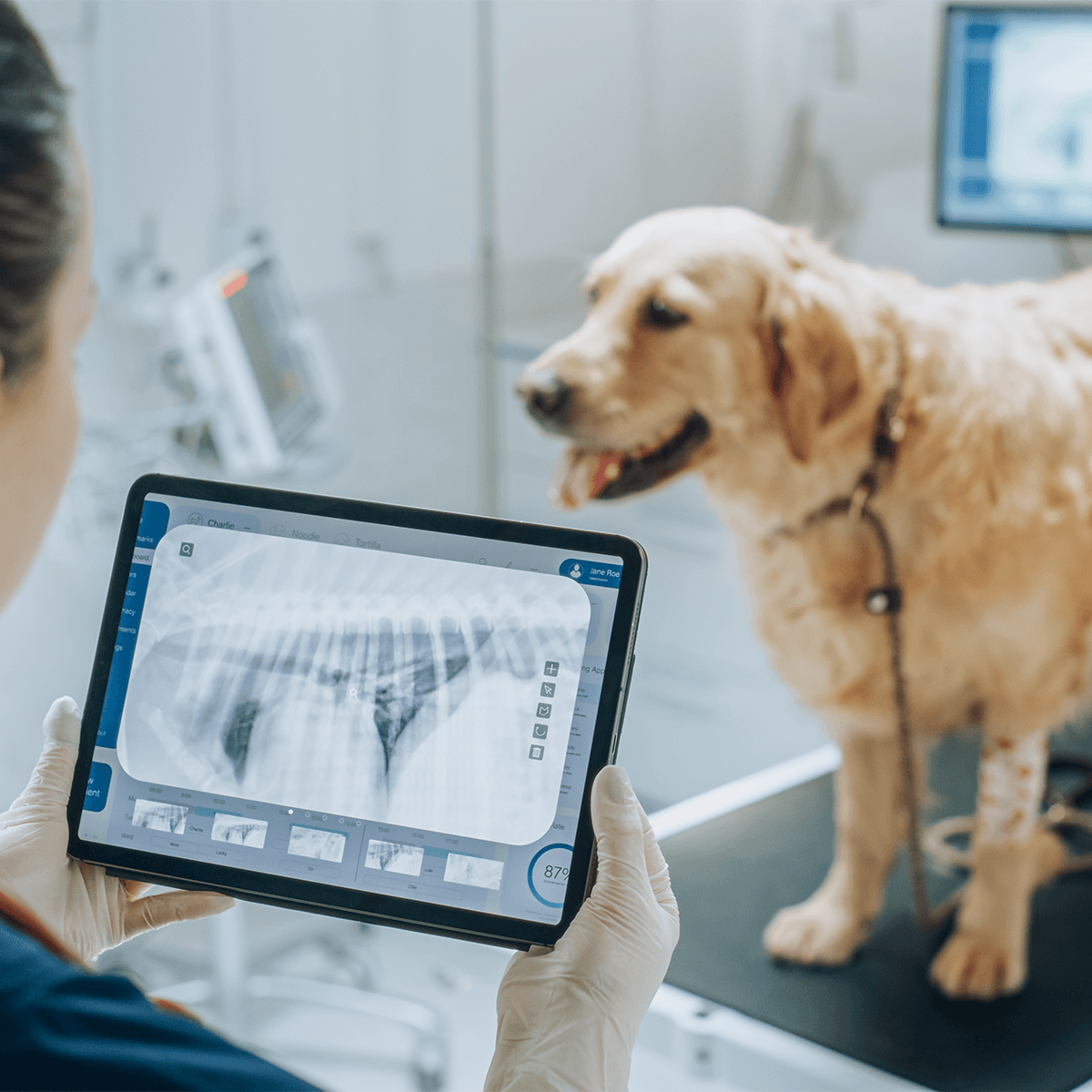
X-rays are commonly used to evaluate bones, joints, the chest, abdomen, and certain emergency concerns. They can help identify fractures, arthritis, foreign objects, bladder stones, heart or lung changes, and some causes of pain or swelling.
For many pets, X-rays are one of the fastest ways to gather important information during an emergency visit. They are also helpful for surgical planning and follow-up care.
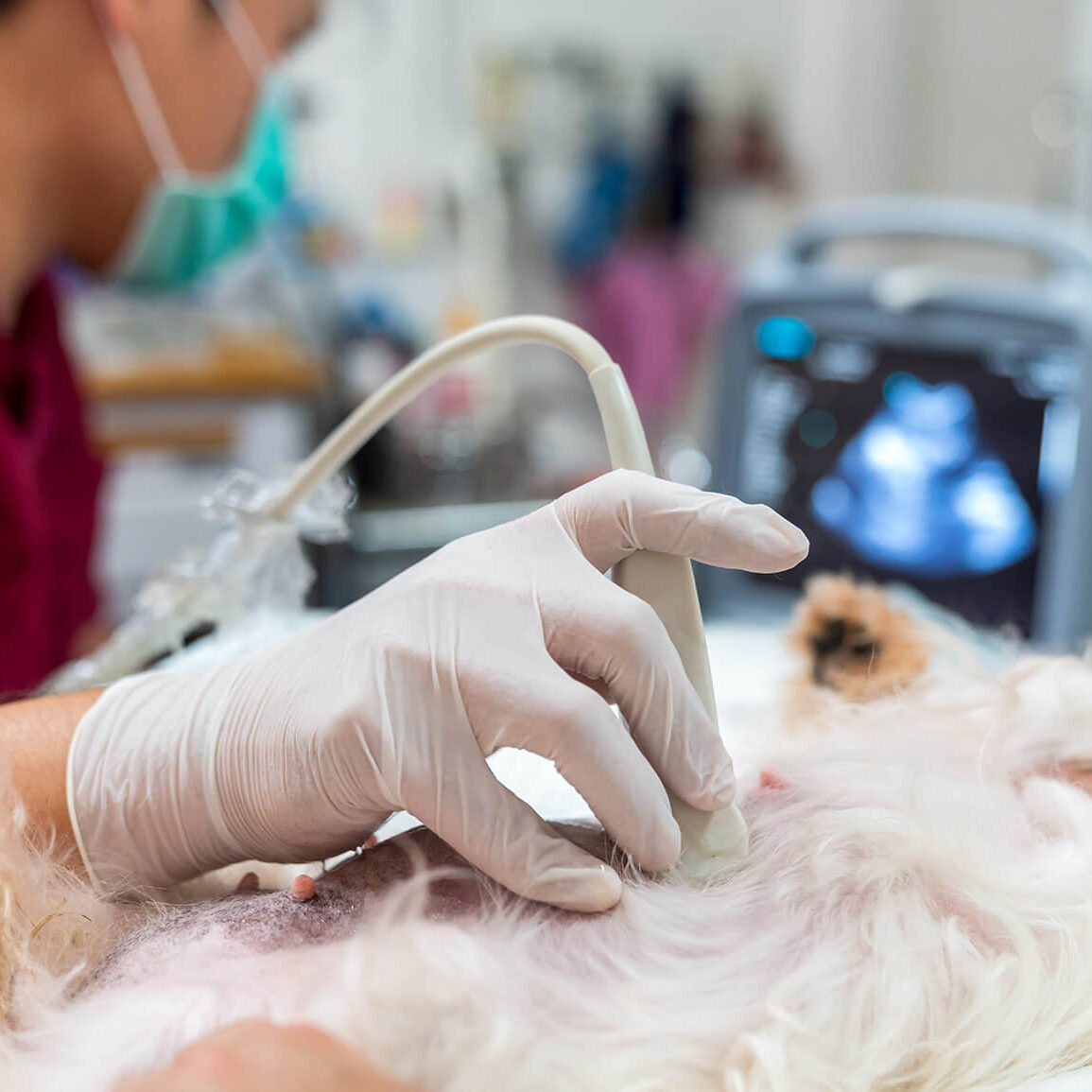
Ultrasound uses sound waves to create real-time images of soft tissues and internal organs. It is especially useful for evaluating the liver, spleen, kidneys, bladder, gallbladder, pancreas, gastrointestinal tract, and abdominal fluid.
Because ultrasound shows movement and soft tissue detail, it can help our team investigate vomiting, weight loss, abdominal pain, urinary changes, internal bleeding, masses, and other complex conditions.
Endoscopy allows veterinarians to view certain areas of the body using a small camera. Depending on your pet’s needs, endoscopy may be used to examine parts of the gastrointestinal tract, airways, or other accessible internal structures.
This tool can help identify inflammation, foreign material, abnormal tissue, or sources of ongoing symptoms. In some cases, endoscopy may allow for sample collection or foreign body retrieval without a more invasive surgical procedure.
A CT scan uses advanced imaging to create detailed cross-sectional views of your pet’s body. CT is especially valuable for evaluating bones, joints, the chest, nasal passages, skull, spine, tumors, and complicated surgical cases.
CT can help our team see details that may not appear clearly on standard X-rays. This makes it a useful tool for surgical planning, trauma evaluation, cancer staging, and specialty referral
MRI provides highly detailed images of soft tissues, especially the brain, spinal cord, nerves, and certain muscles or joints. It is often recommended for pets with neurologic symptoms, unexplained pain, weakness, paralysis, seizures, or suspected brain or spinal disease.
MRI can give our team a clearer understanding of conditions that affect the nervous system. This information can help guide treatment decisions, surgery planning, and long-term care recommendations.
What Can I Expect If My Pet Needs Imaging?
If your pet needs imaging, our team will start by reviewing your pet’s symptoms, medical history, exam findings, and any records from your primary veterinarian. We will recommend the imaging option that best fits your pet’s condition and explain what we hope to learn.
Some imaging studies can be performed while your pet is awake or lightly restrained. Others may require sedation or anesthesia so your pet stays still, comfortable, and safe while we capture clear images.
Before moving forward, we will talk with you about:
-
Why imaging is being recommended
-
What type of imaging may be most helpful
-
Whether sedation or anesthesia is needed
-
What the imaging may show
-
How results could affect treatment options
-
Any expected timeline for next steps
After imaging is complete, our team will review the findings and explain what they mean in plain language. If your pet needs emergency treatment, surgery, internal medicine care, hospitalization, or referral follow-up, we will guide you through the next step.
For referring veterinarians, WAG will work to provide clear communication and imaging support for shared case management.