
Dog Suddenly Can’t Walk: What Should You Do?
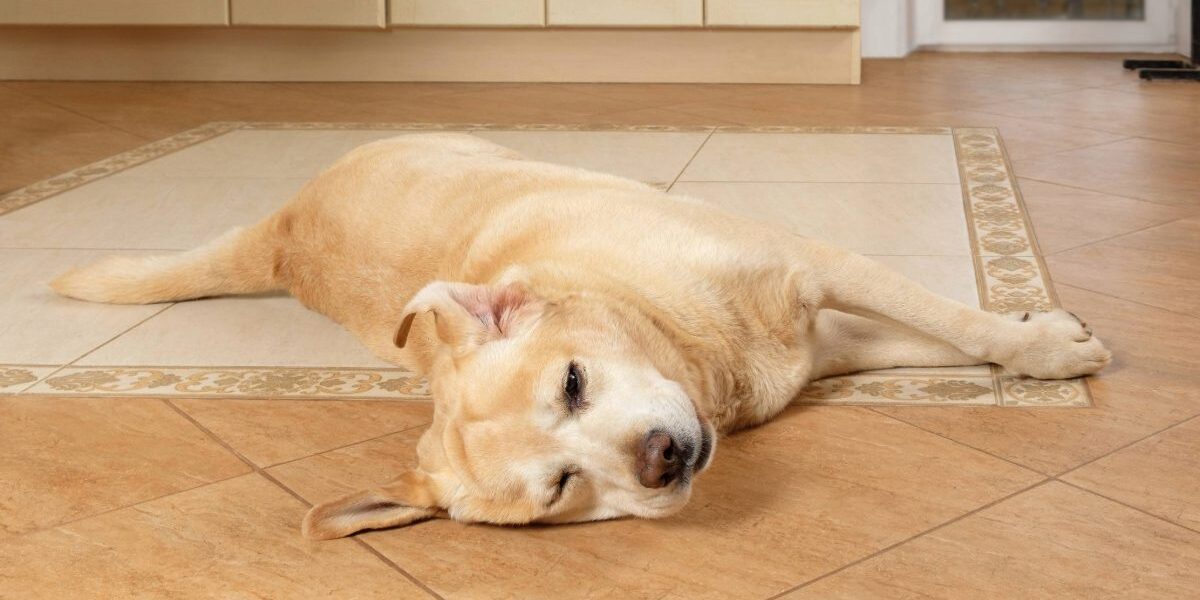
When your dog suddenly can’t walk, treat it as an emergency: stay calm, limit your dog’s movement, and get to an emergency veterinary hospital right away. It can happen in seconds. Your dog trots into the yard, then drags a back leg, wobbles, or simply cannot stand. The causes range from a ruptured spinal disc to a stroke-like event, and from a serious injury to a toxin. At WAG Veterinary Emergency & Specialty Hospital in Salt Lake City, UT, our emergency doctors and specialists see these cases, and we know how frightening they are for families. Sudden weakness and paralysis in dogs are often time-sensitive, so the choices you make in the first few minutes matter. In this blog, we explain what may be behind it, which signs to note, how to move your dog safely, and what happens once you arrive.
What Conditions Can Cause Sudden Paralysis or Weakness in Dogs?
Sudden paralysis or weakness in dogs can come from spinal disc disease, spinal strokes, trauma, infections, tumors, toxins, and balance-system problems, and each one calls for a different kind of care.
Hind-end weakness is the classic picture, but when a dog suddenly can’t walk, the trouble may sit in the spinal cord, the brain, the nerves, or the joints. Possible causes include:
- Intervertebral disc disease (IVDD), when a disc bulges or bursts and presses on the spinal cord. Long-backed breeds such as dachshunds, corgis, and French bulldogs face a higher risk.
- Fibrocartilaginous embolism (FCE), sometimes called a spinal stroke, which can strike without warning
- Trauma from a car accident, a fall, or a rough play session
- Vestibular disease, which disrupts balance and can make walking nearly impossible
- Infection or inflammation of the spine or brain
- Tumors that press on the spinal cord or nerves
- Toxins, and in some regions, tick paralysis
- Orthopedic injuries, such as a torn knee ligament or a fracture
Why the Cause Matters
Treatment looks very different from one condition to the next. Some dogs need surgery, some need hospital care and close monitoring, and some need a completely different plan. Pinning down the cause is the first job of your veterinary team. Outcomes vary too. Some dogs improve quickly with prompt care, while others face a longer road, and our team can talk through what to expect once we know the cause.
Why You Cannot Sort It Out at Home
Many of these conditions look alike. A dog suddenly paralyzed in the back legs from a disc problem can look nearly identical to one with a spinal stroke or a fracture. Even experienced owners cannot tell them apart by watching, and trying to test your dog’s legs at home can cause more harm. Leave the detective work to us.
How Can You Tell If Your Dog Has a Spinal Injury or Neurological Problem?
You cannot confirm a spinal injury or neurological problem at home, but certain signs point toward one and help our team gauge how urgent your dog’s situation is.
Signs That Point to the Spine
Spinal problems tend to show up in how your dog moves and how your dog reacts to touch. Watch for:
- Dragging or scuffing the back paws
- Paws that flip over so the tops touch the ground, called knuckling
- Wobbly, crossing, or “drunken” movements
- Crying out when touched, lifted, or moving
- A hunched back or tense belly
- Loss of bladder or bowel control
- Weakness in the back legs only, or in all four legs
Signs That Point to the Brain or Balance System
Other signs suggest the problem lives higher up. A head tilt, eyes that flick back and forth, circling, falling to one side, confusion, or a seizure can all point to the brain or the inner ear. Vomiting alongside sudden loss of balance is another clue. These dogs can look as if they cannot walk because the room seems to be spinning.
What to Note for Our Team
Jot down when the weakness started, whether it came on in minutes or crept in over days, and whether your dog had a fall, a car accident, or a rough play session. Tell us about any medications, any chance your dog got into something harmful, and whether your dog has urinated recently. If your dog moves on its own, a short video can help us, but never encourage your dog to try to stand or walk.
Keep in mind that when a dog can’t walk, your pet may still seem alert, hungry, and cheerful. A bright attitude does not rule out a serious problem. Dogs hide pain well, and many keep wagging even when something is badly wrong.
How Should You Move a Dog That Suddenly Loses the Ability to Walk?
Move your dog as little as possible, and when you must, support the whole body on a firm, flat surface so the spine stays in a straight line. If your dog suddenly can’t walk, a quick scoop-and-run can do more harm than good. A twisting or bending spine can turn a bad situation into a worse one. Slow, steady movements protect your dog during the trip to the hospital.
Lifting a Small Dog
Slide one hand under the chest and the other under the hindquarters, then lift both at the same time so the back stays level. Place your dog gently in a carrier and close it securely.
Moving a Medium or Large Dog
Ask a second person to help. A sturdy board, a flat piece of plywood, or a firm blanket held taut by two people can work as a stretcher. Slide your dog onto it with minimal turning and keep the head, back, and hips in line. In the car, make sure the surface cannot slide around.
What to Avoid
Even the gentlest dog may snap or nip when in pain, so approach slowly and speak softly. Please avoid the following:
- Letting your dog try to stand, walk, or climb stairs
- Lifting by the legs, collar, or scruff
- Massaging or stretching the back or legs
- Giving human pain medication, which can be toxic to dogs
- Waiting overnight to see whether things improve
If you are unsure you can move your dog safely, call us at (801) 893-6886 and tell us what you are dealing with. We will help you work out the safest way to get your dog here.
What Happens at WAG When Your Dog Can’t Walk?
When your dog arrives at our hospital, our emergency care team starts with triage, which is a quick assessment of how stable your dog is, and then moves to a focused exam and pain relief.
Our First Steps
At WAG Veterinary Emergency & Specialty Hospital in Salt Lake City, UT, we handle dogs with suspected spinal injuries gently and keep movement to a minimum. Our doctors perform a neurological exam to see how your dog’s legs, posture, and reactions respond, and we talk with you about what we find and what comes next. Calling ahead helps us prepare for your arrival. We know this is one of the scariest moments a pet owner can face, and we will explain each step as we go so you are never left guessing.
Finding the Cause
Depending on what the exam shows, diagnostics may include bloodwork, X-rays, and advanced imaging. When a case calls for it, we bring in specialist input without sending you somewhere else to start over. We also keep your family veterinarian in the loop on your dog’s care.
Why Speed Matters
Some causes of sudden paralysis are time-sensitive, and early evaluation gives your dog more options. We cannot promise any outcome, but we can promise that arriving sooner gives our team more to work with. If your dog suddenly can’t walk, the best time to call is now.
Why the Next Hour Matters
When your dog can’t walk, every pet recovers differently, and some conditions respond better to early care than others. Whether the cause turns out to be a slipped disc, a spinal stroke, or something we have not listed, our team can only start working on it once your dog is in front of us. That is why we ask owners to act quickly and trust their instincts. You do not need to know what is wrong before you call. You only need to know that something has changed.
Our team at WAG Veterinary Emergency & Specialty Hospital in Salt Lake City, UT, would much rather examine a dog who turns out to be fine than hear about a dog who waited too long.
If your dog is down right now, call us at (801) 893-6886 immediately.
Recent Posts
About Us
WAG Veterinary Emergency & Specialty Hospital is a locally and independently owned hospital in Salt Lake City, UT, providing 24/7 emergency care, critical care, specialty surgery, internal medicine, interventional radiology, and advanced diagnostic imaging. We pair advanced medicine with open communication and a patient-driven approach so pet owners and referring veterinarians feel informed and supported throughout each case.