
My Cat Keeps Going to the Litter Box But Can’t Pee: What Should I Do?
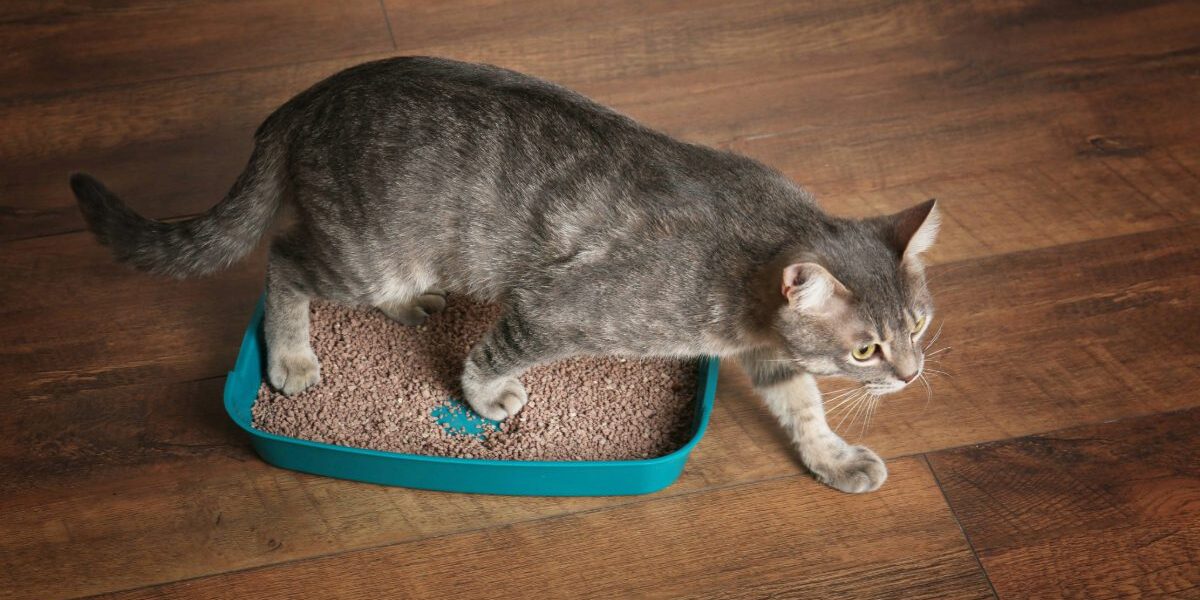
That frantic trip back to the litter box is easy to mistake for constipation. But when a cat keeps going to the litter box but can’t pee, something may be blocking the urinary tract, and the safest move is to get to an emergency veterinary hospital right away. At WAG Veterinary Emergency & Specialty Hospital in Salt Lake City, UT, our emergency doctors treat blocked cats, and we hear the same line from worried owners: “I thought he was just constipated.”
It is an understandable mistake. Cats hide pain, and the posture looks the same. This blog covers what causes a urinary blockage, how to tell it apart from constipation, why it turns dangerous so quickly, and exactly what to do next. If your cat is straining as you read this, skip ahead to the section on what to do right now.
What Causes Urinary Blockages in Cats?
Urinary blockages in cats happen when something narrows or plugs the urethra, the thin tube that carries urine out of the bladder.
A male cat’s urethra is especially narrow, which is why male cats get blocked far more often than females, although females can be affected too. Many different problems can cause a blockage. Some of the most common include:
- Urethral plugs made of mucus, tiny crystals, and cells
- Bladder stones that travel into the urethra
- Feline idiopathic cystitis, a painful bladder inflammation with no single clear cause
- Swelling or spasm of the urethra after irritation
- Urinary tract infections
- Scar tissue or narrowing from an earlier injury or blockage
- Tumors or masses that press on the urinary tract
Which Cats Face a Higher Risk
Any cat can develop a urinary problem, but certain cats face higher odds. Male cats, middle-aged cats, overweight cats, indoor cats, and less active cats show up in our emergency room more often. Stress matters too. A move, a new pet, or a shake-up in the household can trigger bladder inflammation in cats who are prone to it, and multi-cat homes can add to that stress.
Why the Cause Stays a Mystery at Home
You cannot see a plug or a stone from the outside, and many of these conditions overlap. Sorting out the cause takes a physical exam, lab work, and often imaging. At our hospital, we may use a urinalysis, bloodwork, X-rays, or ultrasound to look for stones, crystals, and other culprits. Some cats are blocked once, while others deal with repeat episodes. That is a job for our emergency veterinary team, and the first step is getting your cat in front of us.
How Can You Tell the Difference Between Constipation and a Urinary Blockage in Cats?
Constipation and a urinary blockage look alike because both send a cat to the litter box to strain, but a blockage is far more dangerous, so any straining cat deserves an urgent exam.
Many owners watch for stool, but the best clues often sit in the litter pan and in your cat’s behavior. When a cat keeps going to the litter box but can’t pee, the trips tend to be frequent, short, and unproductive. Owners tell us their cat seems to circle, crouch, and try again and again.
Signs More Typical of a Urinary Blockage
Take note if you see any of these:
- Many trips to the litter box with little or no urine
- Tiny drops of urine, or pink or bloody urine
- Crying, growling, or yowling while straining
- Constant licking of the genital area
- Hiding, restlessness, or a hunched posture
- Vomiting, lethargy, or refusing food
- A tense, painful belly
Signs More Typical of Constipation
A constipated cat often passes small, hard, dry stools or none at all, and may still produce normal clumps of urine. Appetite and energy may hold steady for a while. Urine clumps in the litter can offer a hint, since large, damp clumps suggest your cat is urinating. But clumps from earlier in the day do not tell you what is happening now. These clues are not reliable, and some cats have more than one problem at once.
Why We Treat Every Straining Cat as Urgent
Guessing wrong costs very little in one direction and a great deal in the other. An unnecessary visit for a constipated cat is a small inconvenience. Waiting on a blocked cat can be fatal. So when your cat can’t pee, treat it as a possible blockage until your veterinarian says otherwise. Constipation also needs veterinary care, so either way, the answer is the same: get your cat seen.
Why Is a Cat Urinary Blockage a Life-Threatening Emergency?
A cat urinary blockage is life-threatening because urine cannot leave the body, so waste and potassium build up in the blood while pressure builds on the bladder and kidneys. Cats are not built to hold urine for long. Without treatment, a blocked cat can become critically ill within a day or two, and some do not survive past the third day.
What Happens Inside a Blocked Cat
Blockages hurt, and many blocked cats cry out or hide. The bladder stretches painfully as it fills. Pressure backs up toward the kidneys, which can no longer filter waste the way they should. Toxins accumulate, and potassium can climb to levels that disturb the heart’s rhythm. As this progresses, cats become weak, cold, and unresponsive, and some collapse.
Why the Clock Matters
Earlier treatment generally means fewer complications and more options for your cat. A blocked cat may seem merely uncomfortable at first, then decline quickly. A cat who suddenly stops straining and sits quietly is not always getting better. Sometimes the cat is simply too sick to keep trying. Some owners hesitate because of the hour or the cost of an emergency visit. We understand, and we would still rather you call. A quick conversation with our team can help you weigh your options.
What Should You Do Right Now If Your Cat Keeps Going to the Litter Box but Can’t Pee?
Go to WAG Veterinary Emergency & Specialty Hospital immediately, and call ahead on the way so our team can prepare for your cat’s arrival.
What to Avoid
When a cat can’t pee, the urge to try something at home is strong. Please resist it. Do not:
- Wait to see whether your cat passes urine on its own
- Press on or massage your cat’s belly
- Give human medication, laxatives, or home remedies
- Assume it is constipation
- Hold off until the next day
What Happens When You Arrive
When a cat who cannot urinate comes in to WAG Veterinary Emergency & Specialty Hospital, they move to the front of the line during triage. Our emergency team examines your cat and runs tests to check kidney values and potassium. Treatment may include pain relief, sedation, a urinary catheter to relieve the blockage, IV fluids, and hospital monitoring. Specialists can weigh in when a case calls for it, and we update your family veterinarian along the way. Many cats stay with us for monitoring after the blockage is relieved, so we will talk with you about what that looks like and update you as your cat progresses.
What to Bring and Share
Tell us when you first noticed the straining, whether your cat has produced any urine, and whether there has been any vomiting. Mention recent changes at home, such as new foods or new pets. Bring any medication list you have, and transport your cat in a secure carrier.
After the Emergency: What Comes Next
Once your cat is stable and the blockage is relieved, the work is not quite finished. Some cats are prone to urinary trouble and may face another episode, which makes follow-up care an important part of the plan. Recheck visits, follow-up testing, and open communication with your veterinary team all help catch problems early.
Our team will walk you through what we found and what we recommend for the days and weeks ahead. Your family veterinarian can help guide long-term care, and it is worth asking both of us which signs to watch for and which questions to bring to your next visit. Call us at (801) 893-6886 today.
WAG Veterinary Emergency & Specialty Hospital in Salt Lake City, UT, is glad to work alongside your family veterinarian so your cat has a full team behind them for the long run.
Recent Posts
About Us
WAG Veterinary Emergency & Specialty Hospital is a locally and independently owned hospital in Salt Lake City, UT, providing 24/7 emergency care, critical care, specialty surgery, internal medicine, interventional radiology, and advanced diagnostic imaging. We pair advanced medicine with open communication and a patient-driven approach so pet owners and referring veterinarians feel informed and supported throughout each case.