Pale Gums in Dogs: What This Means
Think of your dog’s gums as a built-in gauge. When pale gums in dogs show up, it usually means blood flow or red blood cell levels have dropped, and that calls for a veterinary exam right away, often at an emergency hospital. At WAG Veterinary Emergency & Specialty Hospital in Salt Lake City, UT, our emergency team checks gum color within moments of a dog’s arrival, because it tells us so much so fast. Healthy gums are pink and moist. Pale, white, gray, or tacky gums point to trouble. This guide explains what normal looks like, which conditions can cause pale gums, how internal bleeding and shock fit in, and when to come see us. Read it now, while your dog is calm, so you will recognize the signs when it counts.
What Is the Normal Gum Color for a Healthy Dog?
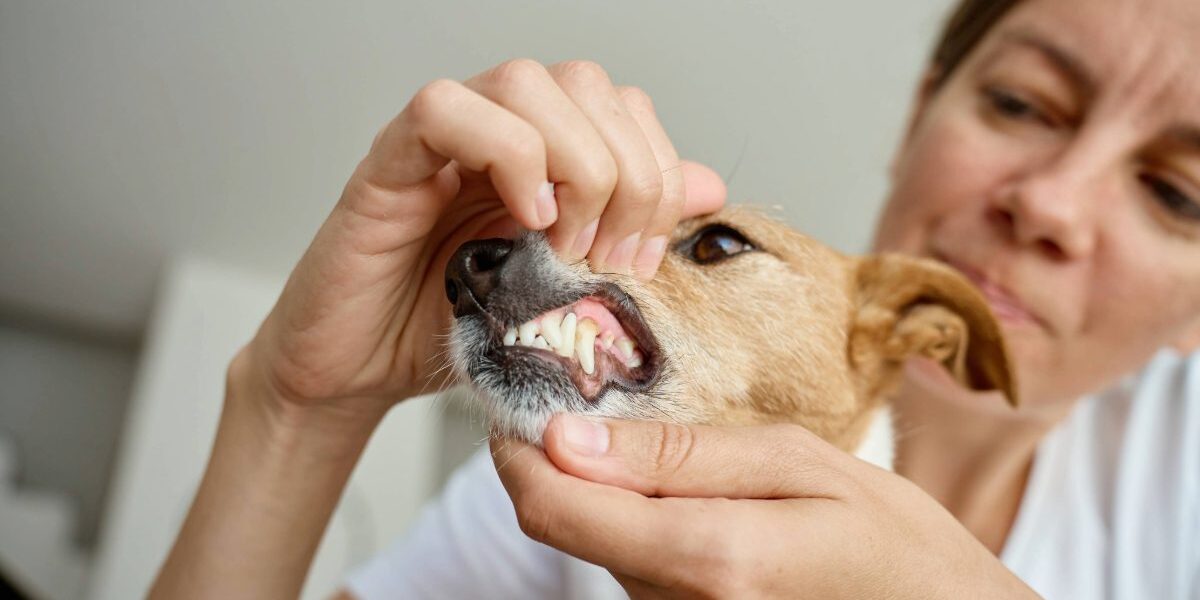
A healthy dog’s gums are typically bubblegum pink and moist, although some normal dogs have dark or spotted gums. That pink color comes from blood flowing through tiny vessels just under the surface, so it gives us a quick look at circulation and oxygen delivery. Normal gums should also feel slick and wet.
Dry or sticky gums can hint at dehydration, even when the color looks fine. Veterinary teams treat gum color as one of the first checks on any sick or injured dog. Gum color can also change with excitement, heat, or a recent run, so a single glance is only a snapshot. What matters is a clear change from your own dog’s usual shade, especially when other symptoms come along.
A Quick Color Guide
Gum color can shift with many conditions, and it never tells the whole story by itself. Still, these general patterns explain why we pay such close attention:
- Pink and moist: typically normal
- Pale pink, white, or gray: possible blood loss, anemia, shock, or poor circulation
- Blue or purple: not enough oxygen, which is an emergency
- Bright or brick red: possible infection, inflammation, heat stress, or toxin exposure
- Yellow: possible jaundice, which points to liver or red blood cell problems
Dogs With Dark or Spotted Gums
Some breeds, including chow chows and Shar-Peis, naturally have black or mottled gums. Judging color in those dogs is tricky. Our team can check other tissues, such as the inner eyelids, and weigh them alongside your dog’s behavior and vital signs. If you cannot tell what your dog’s gums look like, that alone is a good reason to ask.
What Medical Conditions Can Cause a Dog’s Gums to Turn Pale or White?
Pale or white gums can come from anemia, blood loss, shock, heart disease, and other conditions that reduce red blood cells or weaken circulation. Because pale gums in dogs have so many possible causes, we never guess based on color alone. Our doctors combine what they see with your dog’s history, age, and breed to narrow things down. Possible causes include:
- Immune-mediated hemolytic anemia, when the immune system destroys red blood cells
- Blood loss from an injury, a bleeding tumor, or a bleeding ulcer
- Toxins, including rat poison and foods such as onions and garlic
- Heavy parasite loads, such as fleas or hookworms, especially in puppies
- Tick-borne diseases that affect blood cells
- Heart disease or heart failure
- Kidney disease, which can lower red blood cell production
- Cancers that involve the spleen or bone marrow
- Severe dehydration or low blood pressure
Causes That Develop Gradually
Chronic conditions such as kidney disease, long-term illness, or heavy parasite loads can lower red blood cell counts over weeks or months. Dogs often adapt, so you may notice only slow changes: more tiredness, less enthusiasm on walks, a dip in appetite. Pale gums may be the first visible clue that something is off.
Causes That Strike Fast
Other causes arrive suddenly. The immune system may attack red blood cells, a toxin may block clotting, or an injury may cause serious bleeding. These situations can worsen within hours, and they are the reason we encourage owners not to wait. Puppies and small dogs have little blood to spare, so even modest bleeding or a heavy parasite load can cause trouble quickly.
How Can Pale Gums Be a Sign of Internal Bleeding or Shock in Dogs?
Pale gums in dogs can signal internal bleeding or shock because, when blood volume or blood pressure drops, the body pulls blood away from areas like the gums to protect the heart, brain, and other vital organs.
Internal Bleeding You Cannot See
Bleeding inside the abdomen or chest does not leave a puddle on the floor. A ruptured mass on the spleen, often seen in older, larger dogs, can bleed without warning. Trauma, such as being hit by a car or taking a hard fall, can cause internal bleeding even when the skin looks fine. Rat poison can cause it too, sometimes days after a dog eats it. Signs may include weakness, a swollen belly, rapid breathing, and collapse.
What Shock Looks Like
Shock means the body’s circulation is failing to deliver enough blood to the organs. Blood loss is one cause, but severe infection, heart problems, heatstroke, and serious allergic reactions can cause it as well. A dog in shock may have pale gums, a racing heart, weak pulses, fast breathing, cold paws or ears, and a dull or confused look. Our team also checks capillary refill time, which shows how quickly color returns to the gums after gentle pressure. A slow return is a worrying sign.
Why a Dog Who Perks Up Still Needs to Be Seen
Some internal bleeds start and stop. A dog may seem to rally for a few hours, then collapse again. That roller-coaster pattern is one reason we never tell owners to wait it out when pale gums appear alongside weakness. Please do not take a calmer moment as proof that the danger has passed.
When Should You See a Vet About Pale Gums in Dogs?
See an emergency vet right away if you notice pale or white gums, particularly if your dog is weak, collapsing, struggling to breathe, or has a swollen belly.
Emergency Signs That Come With Pale Gums
Head to our hospital without delay if pale gums appear together with any of these:
- Collapse or inability to stand
- Extreme weakness or lethargy
- Fast or labored breathing
- A swollen or painful belly
- Vomiting blood or black, tarry stool
- Cold paws or ears
- Known or suspected rat poison exposure, or a recent injury
What Happens When You Arrive
At WAG Veterinary Emergency & Specialty Hospital in Salt Lake City, UT, we provide 24/7 emergency care for cases like these. Our emergency team checks gum color, heart rate, breathing, and circulation, and we talk with you about what you have seen. Diagnostics may include bloodwork to measure red blood cells, X-rays, and ultrasound to look for bleeding. Treatment may include oxygen, IV fluids, pain relief, and in some cases a blood transfusion.
What to Bring and Share
Call ahead at (801) 893-6886 so our team can prepare. Tell us when you first noticed the pale color, whether your dog may have eaten something harmful, and whether there has been any recent injury or illness. Bring a list of medications and any packaging from a suspected toxin. Keep the ride as calm as you can and let your dog rest quietly in the car. If your dog is calm and you can do so safely, a quick photo of the gums in good light can help our team see what you saw, but it should never delay your trip.
Learn Your Dog’s Normal Before You Need It
A gauge only helps if you know what it reads when everything is fine. On a calm day, when your dog is relaxed and comfortable, take a quick look at the gums so you know your dog’s usual shade and moisture. Never force it. If your dog resists, your family veterinarian can show you what to look for at your next visit.
That baseline makes a big difference during an emergency. When you can tell our team at WAG Veterinary Emergency & Specialty Hospital, “These gums look paler than usual,” we can act on that detail immediately.
So when pale gums in dogs appear, you will not have to wonder what you are seeing. You will know that the gauge has moved, and that it is time to bring your dog to us.
Recent Posts
About Us
WAG Veterinary Emergency & Specialty Hospital is a locally and independently owned hospital in Salt Lake City, UT, providing 24/7 emergency care, critical care, specialty surgery, internal medicine, interventional radiology, and advanced diagnostic imaging. We pair advanced medicine with open communication and a patient-driven approach so pet owners and referring veterinarians feel informed and supported throughout each case.